

Looking after your health isn’t only about visiting the hospital when you’re sick. Regular health checkups are one of the most effective ways to prevent disease, identify health concerns early, and maintain your overall wellbeing.
Many conditions, including high blood pressure, diabetes, and certain cancers, can develop without obvious symptoms. Routine medical examinations help detect these conditions early, when treatment is often more effective and less complicated.
Whether you’re in your twenties or approaching retirement, scheduling regular health screenings is an investment in your long-term health.
Why Are Regular Health Checkups Important?
Preventive healthcare focuses on identifying potential health problems before they become serious. Regular checkups allow your healthcare provider to monitor your health, recommend lifestyle changes, and detect diseases in their early stages.
Benefits of routine health screenings include:
- Early detection of medical conditions
- Better treatment outcomes
- Reduced risk of complications
- Improved quality of life
- Greater peace of mind
Making time for routine medical examinations today can help you avoid more serious health challenges in the future.
Stay Ahead of Your Health
Many serious health conditions can be detected before symptoms appear. Scheduling regular health checkups allows you to take control of your wellbeing, make informed healthcare decisions, and receive treatment early if needed.
1. Blood Pressure Check
High blood pressure is often called the “silent killer” because it may not cause noticeable symptoms. Left untreated, it can increase the risk of heart disease, stroke, and kidney disease.
Having your blood pressure checked regularly allows your healthcare provider to identify problems early and recommend appropriate treatment or lifestyle changes if needed.
2. Blood Sugar Test
A blood sugar test helps detect diabetes or prediabetes before serious complications develop.
Early diagnosis makes it easier to manage blood sugar levels through healthy eating, regular exercise, medication when necessary, and ongoing medical care.
3. Cholesterol Screening
High cholesterol can increase your risk of heart disease without causing symptoms.
Routine cholesterol tests help assess your cardiovascular health and determine whether lifestyle changes or treatment may be needed.
4. Cervical Cancer Screening
Women should attend regular cervical cancer screening appointments based on their healthcare provider’s recommendations.
Screening helps detect abnormal cell changes before they develop into cervical cancer, making early treatment possible.
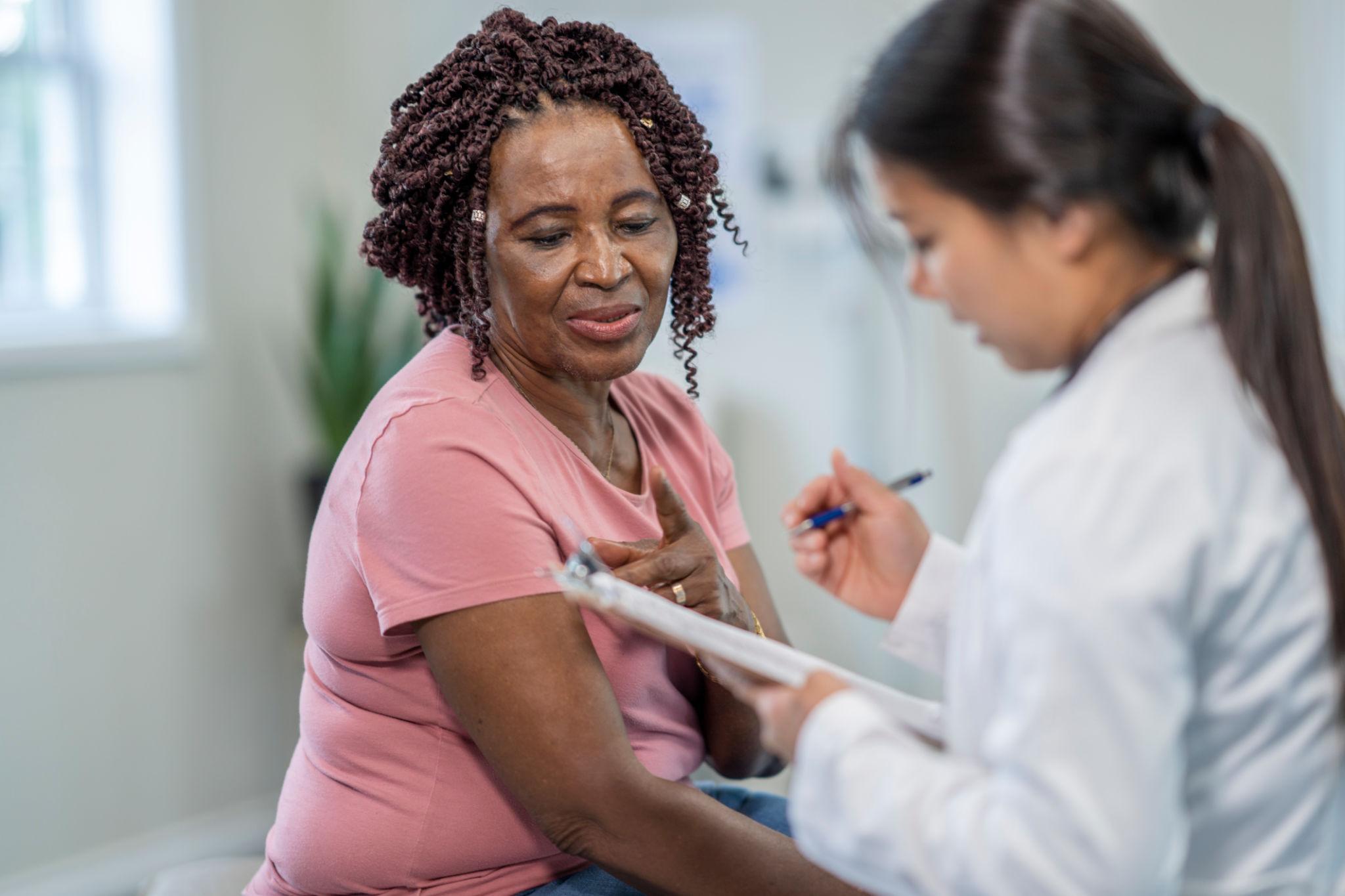
5. Breast Examination
Regular breast examinations are an important part of women’s healthcare.
Your healthcare provider can check for unusual lumps or changes and advise whether additional screening is appropriate based on your age and risk factors.
6. Prostate Health Assessment
Men should discuss prostate health with their healthcare provider, especially as they get older or if they have a family history of prostate conditions.
Early assessment can help identify potential problems before symptoms become severe.
7. Eye Examination
Routine eye examinations do more than check your vision. They can also detect conditions such as glaucoma, cataracts, and diabetic eye disease.
Healthy eyesight plays an important role in maintaining independence and quality of life.
8. Dental Checkup
Oral health is closely linked to your overall health.
Regular dental visits help prevent tooth decay, gum disease, and infections while supporting healthy teeth and gums.
9. Laboratory Tests
Routine laboratory tests such as blood tests, urine tests, and other investigations provide valuable information about your overall health.
These tests can help detect infections, nutritional deficiencies, kidney problems, liver conditions, and many other health concerns.
10. General Medical Examination
A complete medical examination brings everything together.
During your visit, your healthcare provider may review your medical history, discuss your lifestyle, assess your current health, and recommend any additional screenings that are appropriate for your age or individual health needs.
Regular medical reviews help build a long-term relationship with your healthcare provider and support better health outcomes.
A Healthy Lifestyle Complements Regular Checkups
Health screenings are most effective when combined with healthy daily habits.
You can support your overall wellbeing by:
- Eating a balanced diet
- Exercising regularly
- Drinking enough water
- Getting sufficient sleep
- Avoiding smoking
- Limiting alcohol consumption
- Managing stress effectively
Small lifestyle changes can make a significant difference to your long-term health.
Frequently Asked Questions
How often should adults have a health checkup?
The frequency depends on your age, medical history, and individual risk factors. Your healthcare provider can recommend a schedule that is right for you.
Do I need a health checkup if I feel healthy?
Yes. Many medical conditions develop without noticeable symptoms. Regular checkups help detect potential health issues early.
Are all health screenings necessary for everyone?
No. Your doctor will recommend screenings based on your age, gender, family history, lifestyle, and overall health.
Can regular health checkups help prevent disease?
Yes. Preventive healthcare helps identify risk factors early and supports healthier lifestyle choices that may reduce the likelihood of developing certain conditions.

Take the Next Step
Your health is one of your most valuable assets. Regular health checkups provide the opportunity to detect potential health concerns early, receive professional medical advice, and take proactive steps towards a healthier future.
Book your routine health checkup at ARISET Medical Centre today and let our experienced healthcare team help you stay healthy, informed, and confident about your wellbeing.
